We combine Deep-time reconstruction and Multi-Physics AI to transform your multi-source data into clear discovery vectors. Experience transparent, Explainable AI that empowers decision-making while maintaining total data security and sovereignty.
Applied AI
From raw data to discovery-grade intelligence
Three end-to-end field deployments that combine multi-source satellite and geophysical datasets, physics-informed feature engineering, and explainable machine learning — delivering actionable exploration vectors at scale.
01
Remote SensingMachine LearningSpectral Analytics
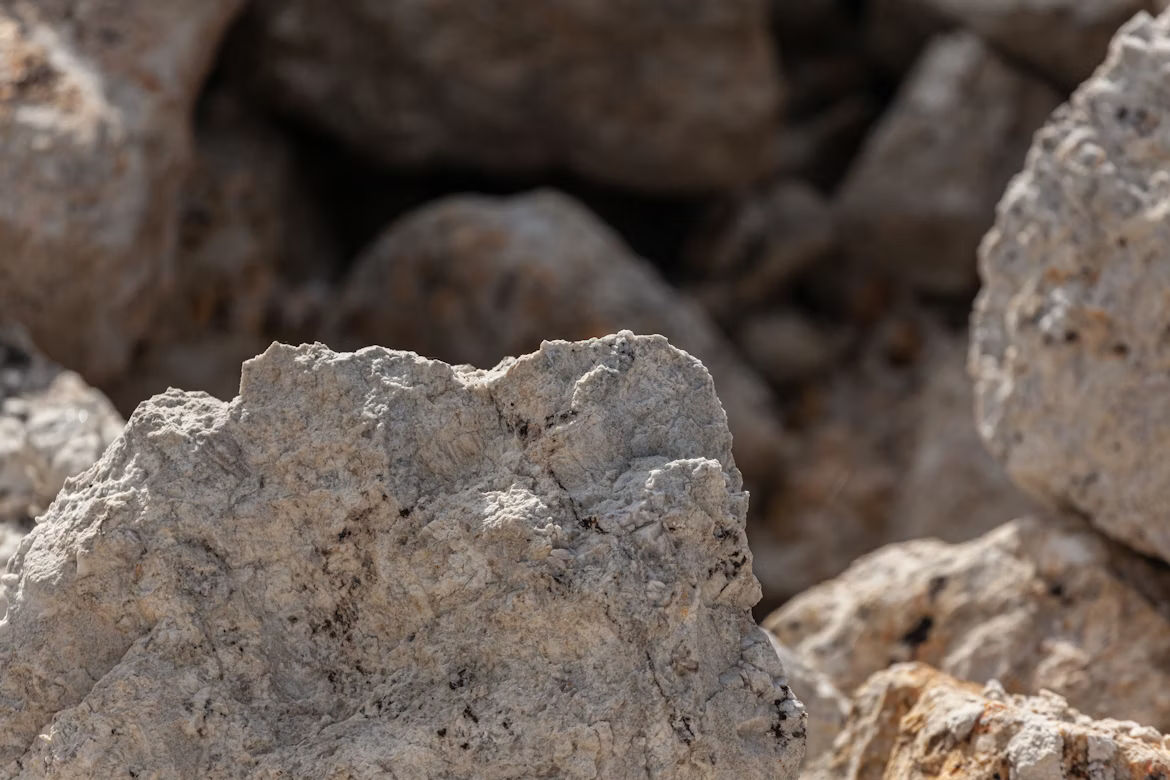
Satellite-Based Lithological Mapping at Scale
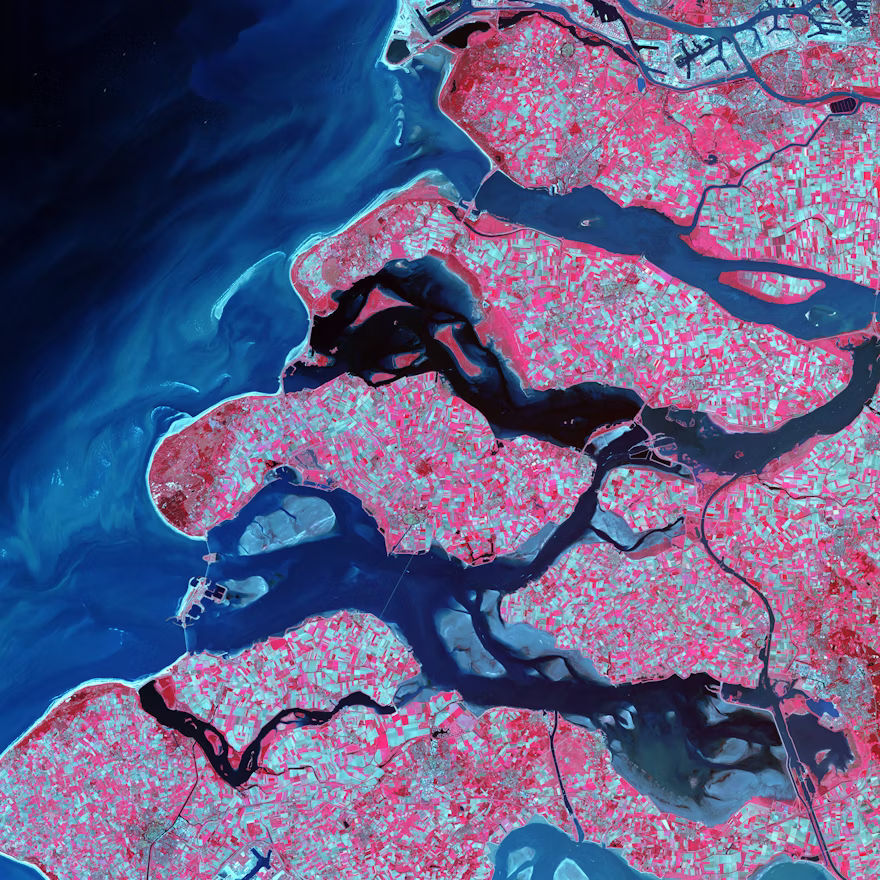
Autonomous discrimination of ultramafic lithologies across inaccessible high-altitude terrain using multi-sensor spectral data. Sentinel-2, ASTER, and Hyperion fusion enables high-confidence geological classification — replacing weeks of field traverses with analysis deployable in hours.
3×Sensors fused
96%Classification accuracy
4,800 km²Terrain covered
Serpentinization mapping without field access
Ophiolite lithology boundaries at 15 m resolution
Explainable spectral AI — physics-validated outputs
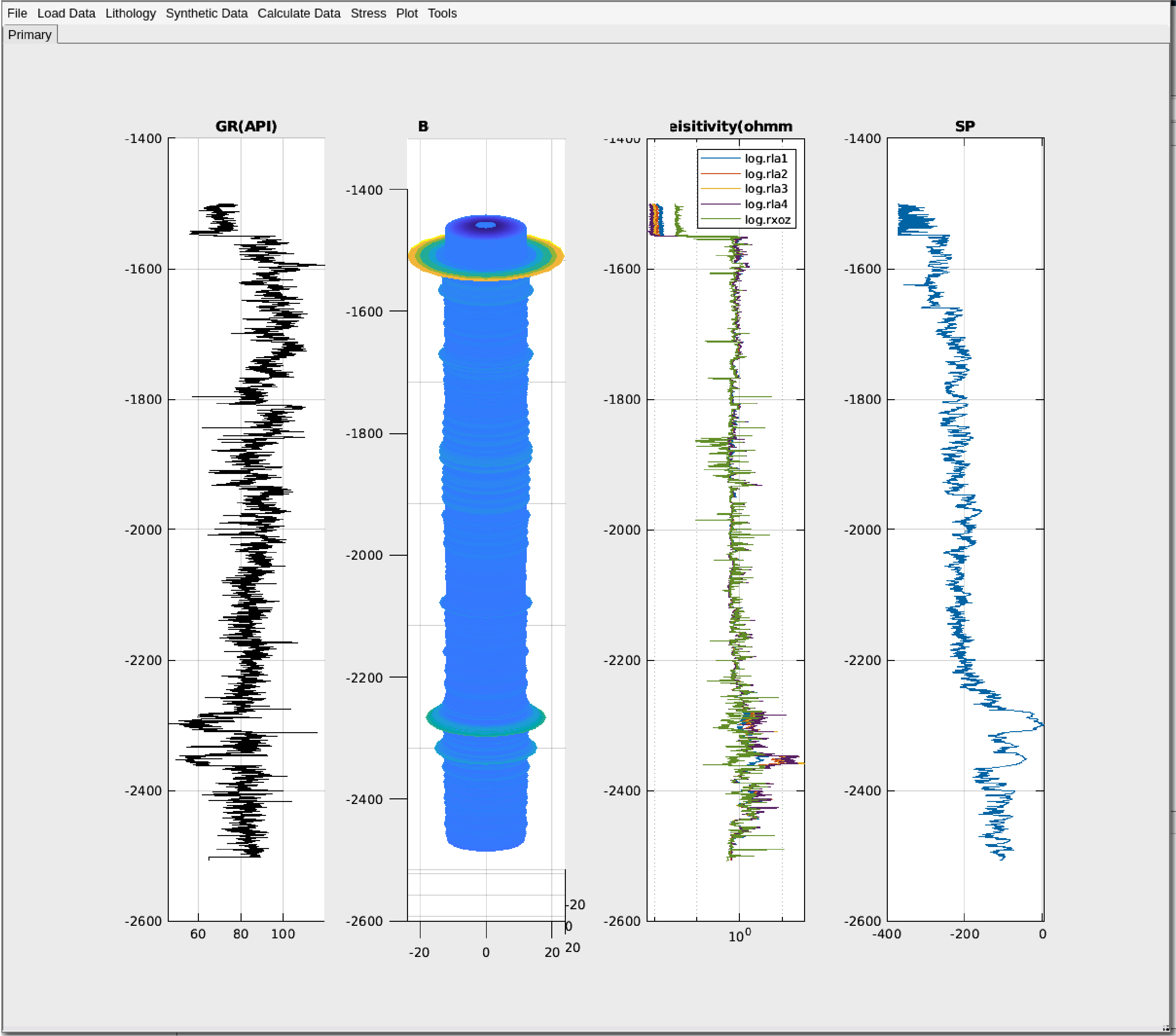
Two-stream AI architecture that fuses present-day geophysical signals with reconstructed deep-time geodynamic trajectories. Positive–Unlabeled learning on incomplete deposit records, hyperdimensional integration via multiplicative fusion, and exploration-ranked outputs that outperform purely spatial models by 40% on Recall@5%.
+40%Recall@5% vs spatial-only
0.95AUC-ROC
170 MaTemporal history modelled
Prioritises top 5% area containing 72% of known deposits
Carbonate–redox engine encoded as temporal feature
Generalises across Tethyan, Pacific, and Andean arcs
Geophysical Preprocessing for Mineral Prospectivity
Raw gravity and magnetic grids hide the faults, contacts and intrusion margins that control ore. A suite of physics-based filters — reduction-to-pole, derivatives, tilt, analytic signal and upward continuation — turns those fields into the structural features an AI prospectivity model learns from. Demonstrated on the Arabian Shield against 875 known metallic deposits.
875Deposits analysed
1.5×Gradient enrichment at deposits
33Derived feature layers
Reframes raw fields into model-ready structural layers
Deposits sit on magnetic gradients 1.5× above background
Fully reproducible from open data with open filters